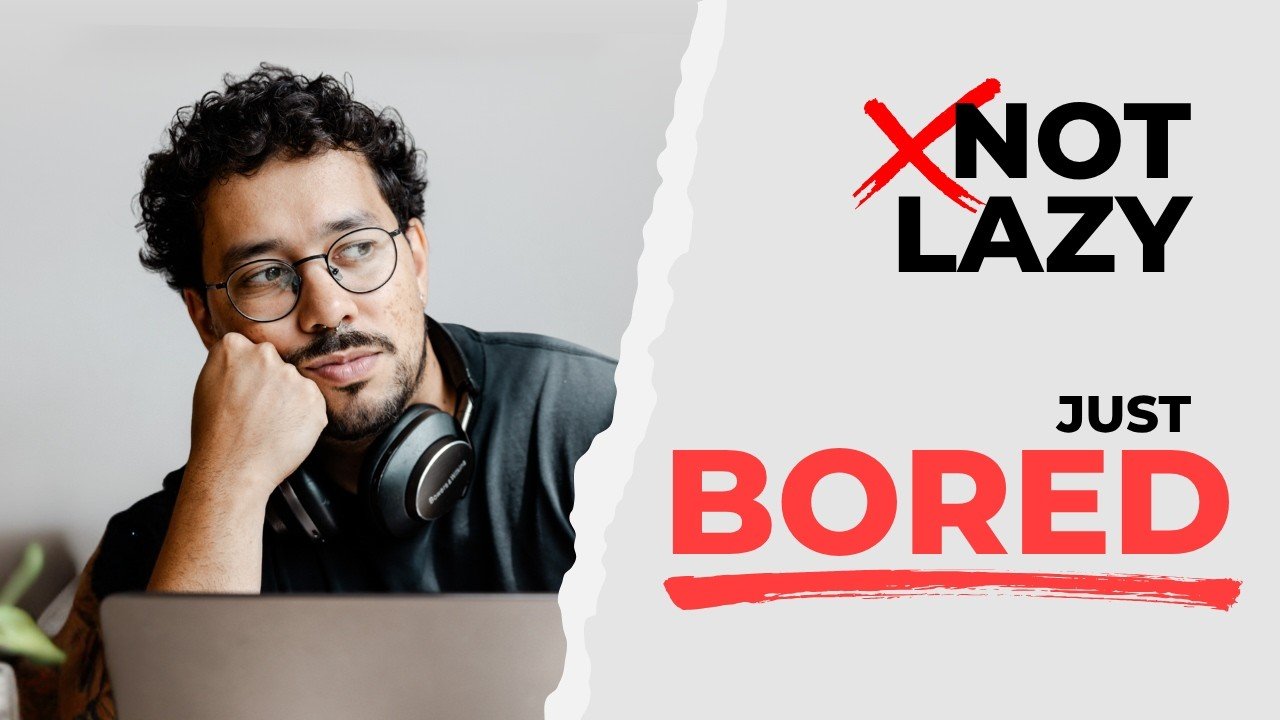
I approved my own pull request and felt nothing. Not proud. Just bored. And that boredom turned out to be the most useful signal I’ve gotten about AI and my own work.
For about a year I’d handed more and more of my job to AI. It worked — features shipped, they passed review, they did what the ticket asked. But if you’d stopped me and asked how any of it actually worked, or why it was built this way and not another, I’d have had to open the chat log to tell you. I wasn’t a builder anymore. I was a not-very-good reviewer of my own work.
Here’s the part nobody warns you about: over-delegating doesn’t just make your work fragile. It makes it boring. The interesting part of this job was never watching code appear — it was the wrestling, the figuring-out, the moment a messy problem clicks into a shape in your head. I’d automated away exactly that. I’d automated away the fun.
My first instinct for climbing back was wrong: use less AI. That’s not it. I didn’t want to go slower, and the speed is real. The problem was never how much AI I was using. It was that I’d taken my hands off the work and let the machine carry it wherever it drifted. The fix wasn’t less. It was flipping who leads.
Me out front doing the thinking — the understanding, the decisions, the trade-offs, the design. The model right behind it, amplifying: fetching what I don’t know, pressure-testing what I do, turning my decisions into working code faster than I could alone. Same tool. Same speed. Opposite posture. And a workday went back to feeling like solving something instead of supervising something.
This isn’t an anti-AI video. It’s the opposite of using less. It’s about keeping your hands on the one part that was ever really yours.
If you want the practical version, the companion piece turns this into an actual workflow: I Delegated My Thinking to AI. Now I’m Taking It Back. — ten steps from problem to ship, built around I think, AI fetches. And underneath both of them sits The Impossible, on what a skateboard trick filmed at 1000 frames per second taught me about the part of the job that was always ours.
Don’t automate the fun. Automate everything around it.